What to know about Bow removals parking permits Tower Hamlets
If you are planning a move in Bow, the parking side of things can turn a fairly ordinary removal into a stressful puzzle. A van arriving late because it cannot stop nearby, a penalty notice left on the windscreen, or a blocked entrance on a tight street can all throw the day off. That is why What to know about Bow removals parking permits Tower Hamlets matters more than many people expect. The short version: if you are moving in or out of a busy part of east London, parking rules can affect timing, access, cost, and how smoothly the whole job goes. This guide explains the basics in plain English, with practical steps you can actually use.
In real life, moving day already has enough moving parts. Boxes are stacked in the hallway, the kettle is packed somewhere you can't find, and everyone is trying to stay calm. A little planning around parking makes a surprisingly big difference.
Table of Contents
- Why Bow removals parking permits matter in Tower Hamlets
- How parking permits and road access usually work
- Key benefits and practical advantages
- Who this is for and when it makes sense
- Step-by-step guidance for a smoother move
- Expert tips for better results
- Common mistakes to avoid
- Tools, resources and recommendations
- Law, compliance, standards, or best practice
- Options, methods, and comparison table
- Case study or real-world example
- Practical checklist
- Conclusion
- Frequently asked questions
Why Bow removals parking permits Tower Hamlets Matters
Bow sits in a part of London where space is often limited, roads can be busy, and parking rules may change from one street to the next. That matters because a removals van is not just another car. It needs room to stop, unload safely, and sometimes wait while items are carried down stairs, through a lift, or across a narrow pavement. If the vehicle cannot park legally and sensibly, the move can become slower, pricier, and more stressful than it should be.
The big issue is not only enforcement, although that can be a concern. It is also practicality. A well-placed van means fewer carry distances, less lifting, less time on the clock, and lower risk of damage to furniture or the building entrance. To be fair, that is what most people want on moving day: fewer surprises and a clear path from van to front door.
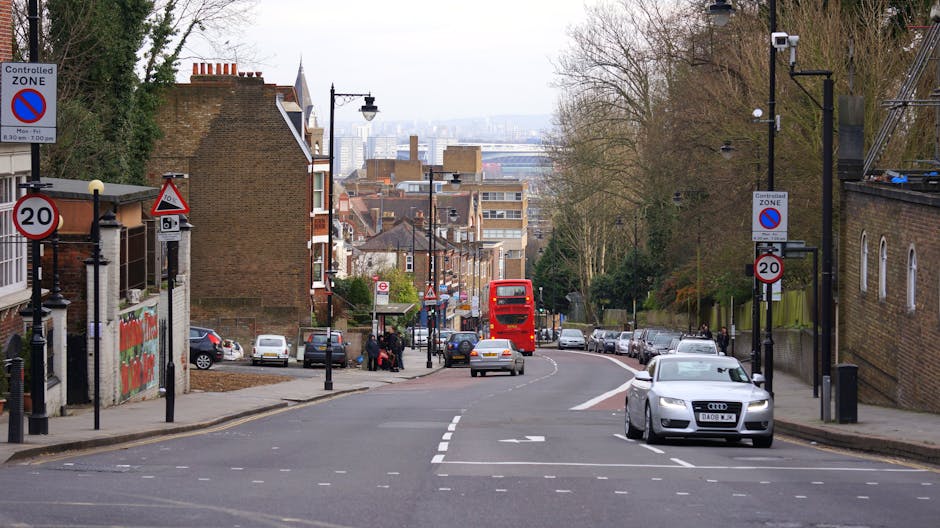
In Bow and across Tower Hamlets, the local environment can include controlled parking zones, permit-only bays, resident restrictions, loading limits, red routes, or road layouts that make stopping tricky. Even if a removal is small, the parking plan still matters. If you are moving a flat, a house, or a business unit, it is wise to think about access before the first box is taped shut.
Key takeaway: parking is part of the move, not an afterthought. Get it wrong and everything slows down; get it right and the day often feels noticeably calmer.
How Bow removals parking permits Tower Hamlets Works
The exact parking arrangement depends on the street, the time of day, and the type of vehicle involved. In practice, most removals in Bow involve one of a few common situations:
- Permit or controlled bay parking: the van may need specific authorisation or may only be able to stop for loading within the rules for that street.
- Loading bay use: if available, this can be ideal for short, active loading periods, but you still need to respect the posted restrictions.
- Suspended bay or temporary space management: occasionally useful for planned moves, especially where access would otherwise be blocked.
- Kerbside loading and unloading: often the simplest approach, but it depends on local restrictions and the practical space available.
A removals company or van operator usually needs to know in advance whether the property sits on a narrow road, a one-way street, or a stretch with limited stopping options. That information helps them decide what vehicle size to use and whether a parking permit or another arrangement should be investigated. If you are using a man and van service, the same logic applies: a smaller vehicle may be easier to position, but it still needs lawful access.
Parking planning is often a combination of logistics and local knowledge. For example, a move that looks straightforward on a map can turn awkward if there is a school run, a market day, or a delivery vehicle already occupying the best stopping point. Small detail, big effect. That is London for you, really.
One more practical point: parking permits are not just about legality. They are also about communication. If you have a top-floor flat with a tight stairwell, or a large wardrobe that needs careful handling, the crew needs enough time and enough space to do the job without rushing.
Key Benefits and Practical Advantages
Sorting out parking properly brings benefits that are easy to underestimate until you have lived through a move without them.
- Less time wasted: the van gets closer to the property, so the team can spend time carrying items rather than hunting for a legal parking spot.
- Lower risk of damage: shorter carrying distances usually mean fewer bumps, scrapes, and awkward turns through shared hallways.
- Better value: if a move takes less time, the overall job can often be more efficient. No magic trick, just decent planning.
- Reduced stress: when the parking plan is clear, the day feels less chaotic. That matters more than people admit.
- Safer handling: furniture, boxes, mirrors, and appliances are easier to move safely when the vehicle is properly positioned.
There is also a hidden benefit for neighbours and building managers. A well-organised move looks more professional and causes less disruption in the street or communal entrance. That can be especially useful in flats, mansion blocks, or mixed-use buildings where people are sensitive to noise and obstruction.
If you are combining moving with storage, you may also find that parking planning helps you split the job into manageable stages. A service such as removals and storage can be especially helpful when access is awkward or the move-out and move-in dates do not line up neatly.
Who This Is For and When It Makes Sense
This topic matters most if you are moving in Bow or nearby Tower Hamlets streets where parking is controlled, tight, or unpredictable. But that is not the only scenario. It also matters if:
- you are moving from a flat with limited roadside space;
- you live on a street with permit bays or time restrictions;
- you need a larger van for furniture, appliances, or several rooms of belongings;
- your building has narrow access, a courtyard, or a shared entrance;
- you are moving at a busy time of day;
- you want to avoid parking fines or delays;
- you are coordinating with landlords, agents, concierge staff, or building managers.
Students moving into or out of shared accommodation should also pay attention. A few packed boxes are one thing; a full room's worth of furniture and bags is another. If that sounds familiar, student storage can help when the timing of a move is messy, as it often is around term change.
Office moves are another good example. A business relocation in Bow may involve computer equipment, filing cabinets, and time-sensitive access. In those cases, parking is not just convenient - it is part of continuity. A service like office removals can be useful where the move needs to be structured around access, loading, and minimising downtime.
Step-by-Step Guidance
If you want to keep things simple, follow this sequence.
- Check the property access early. Look at the street, entrance, pavement width, and where a van could realistically stop.
- Identify any parking restrictions. Note permit bays, time limits, loading only areas, yellow lines, and any signs around the property.
- Confirm the move date and time. Morning, midday, and late afternoon can all behave differently in a busy area.
- Tell your removals team the exact situation. Share the street name, flat level, lift access, and anything that may affect parking or carrying distance.
- Ask whether a permit or special arrangement is needed. If the street is controlled, this is not something to leave until the last minute.
- Plan loading order. The items needed first at the new property should usually be the easiest to access in the van.
- Allow margin for the unexpected. A parked delivery van, a neighbour's car, or a blocked entrance can change the plan quickly.
It sounds straightforward, but the difference between a smooth move and a messy one often lies in the small details. A hallway door that swings awkwardly. A basement flat with awkward stairs. A van that is too large for the street. These things matter more than people think.
If you are moving bulky items, consider whether a furniture-first approach would help. In some cases, using furniture storage before or after the move can reduce pressure on moving day and make parking less time-sensitive. Less rushing, fewer headaches.
Expert Tips for Better Results
Here are the small things that often make the biggest difference.
- Measure the access, not just the property. A sofa may fit in your home, but the route from van to door can still be the real problem.
- Use simple photos. A few phone pictures of the street, entrance, and parking signs can help a removals team judge the situation quickly.
- Keep the front path clear. Shoes, bins, planters, and bicycles have a habit of getting in the way right when they shouldn't.
- Think in terms of loading time. A vehicle parked legally but far away may still slow the whole process.
- Work backwards from the hardest item. If there is a piano, a wardrobe, or a large desk, plan parking around that item first.
One thing I would say, from experience: do not assume a "small" move means parking will be easy. Sometimes the opposite is true. A small move can happen on the noisiest, tightest street, with nowhere to stop. That is the bit that catches people out.
If you need a simpler, more flexible collection option, a small removals service can be a smart choice when the volume is modest but access is awkward.
And if you are moving a whole house, the parking conversation should happen early. It is not glamorous, but it is one of those boring details that saves the day. Boring in the best way.
Common Mistakes to Avoid
The most common problem is leaving parking until the last minute. People focus on boxes, cleaning, or change-of-address tasks and assume the van can simply arrive and stop somewhere. Sometimes that works. Often, it doesn't.
- Assuming there will be space outside the property. Busy streets fill up fast.
- Not checking signage carefully. A bay that looks usable may have a time limit or permit restriction.
- Booking a vehicle that is too large. Bigger is not always better when streets are narrow.
- Forgetting building rules. Some flats and managed buildings have their own loading arrangements.
- Underestimating carry distance. Fifty extra metres sounds small until you are carrying a washing machine.
- Failing to mention access issues. If the team does not know, they cannot plan around it.
Another mistake is treating parking as someone else's problem. It is easy to do. You are juggling a dozen tasks, after all. But even if your removals team handles the vehicle side, your input is still essential because you know the street, the neighbours, and the building better than anyone else.
Tools, Resources and Recommendations
You do not need complicated kit, but a few practical tools help a lot.
- Street photos: a quick visual record of the access route and signage.
- Property measurements: especially useful for larger furniture and tight staircases.
- Move-day notes: a simple list of entrance codes, lift timings, and key contacts.
- Floor plans or room labels: very helpful for flat moves and shared houses.
- Packaging supplies: sturdy boxes, tape, wraps, and labels make loading more efficient.
For many moves, professional packing support saves time and reduces the amount of stop-start work at the kerb. If you want a more organised move, packing services can make the whole process less frantic and easier to load safely.
For households with several rooms of belongings, house removals may be the better fit. For smaller jobs, local removals can be enough. The right choice depends on access, volume, and how much help you want on the day.
Some readers also find self storage useful when they need to clear space before moving day, stage the move in two parts, or avoid rushing through a cramped property. It is not glamorous, but it can make logistics far easier.
Law, Compliance, Standards, or Best Practice
Parking rules in Tower Hamlets should always be treated carefully. Exact restrictions can vary by street, bay type, and time of day, so it is wise to check local signs and arrange parking in a lawful way rather than assuming you can make it work on the spot. That caution matters because penalties, objections from neighbours, and access problems can all arise if the vehicle is parked incorrectly.
From a removals best-practice point of view, the main principles are simple:
- park only where permitted;
- allow enough room for safe loading and unloading;
- avoid blocking dropped kerbs, entrances, or emergency access;
- share accurate access information with your removals provider;
- keep the process safe for people carrying heavy items.
Good movers also think about insurance, handling, and safety procedures. If you want a sense of how a company approaches risk and responsibility, it is worth reviewing a provider's insurance and safety information and related health and safety policy. Those pages are not exciting, admittedly, but they tell you a lot about how the business works in practice.
For customers with documents, business records, or files that need safe handling during a move, document storage and business storage can be useful backup options. And if the move includes valuables or equipment that need an extra layer of protection, secure storage is worth considering.
Options, Methods, and Comparison Table
There is no single "best" way to handle removals parking in Bow. The right method depends on the property, the vehicle, and the amount of time you have. Here is a simple comparison.
| Approach | Best for | Pros | Trade-offs |
|---|---|---|---|
| Kerbside loading near the property | Short moves, easy access streets | Fast, simple, minimal carry distance | Depends heavily on available space |
| Permit or controlled bay planning | Busy residential streets | More predictable if arranged properly | Needs careful checking and timing |
| Smaller vehicle / man and van | Tight roads, lighter loads | Easier to position, often more flexible | May require more trips for larger moves |
| Storage-first move | Staggered handovers, renovation gaps | Reduces pressure on the moving day itself | Requires an extra step and planning |
In many Bow moves, a smaller, more flexible vehicle is actually the sensible option. It may not sound as impressive as a big lorry, but then again, a lorry that cannot get close to the door is not much use. Sometimes less is more. Especially on a narrow street with impatient traffic behind you.
If you need short-term flexibility, short-term storage can bridge the gap between leaving one home and entering the next. For longer moves or uncertain timelines, long-term storage may be the better fit.
Case Study or Real-World Example
Picture a typical Bow flat move on a damp Tuesday morning. The resident is leaving a third-floor flat with no lift. The new place is only a few miles away, but the street outside the old property is tight, and parking is already half full by 8:30 a.m. The first instinct is to hope for the best. That is human. But hope is not a parking strategy.
Instead, the move is planned with the access route in mind. The removals team is told about the staircase, the limited curb space, and the fact that a sofa and bed frame need to come out before the rest of the boxes. A smaller van is used, and the loading sequence is organised so the biggest items are closest to the rear doors. The result? Less waiting, less carrying, and fewer awkward pauses while someone works out where the vehicle should go.
Now compare that with a similar move where no one checked the street layout. The van arrives, but there is nowhere to stop close enough. The team has to wait, circle the block, and improvise. Time passes. The day gets longer. The mood changes. Funny how quickly that happens when one small detail is missed.
This is why parking permits and access planning are not just administrative chores. They shape the actual experience of the move.
Practical Checklist
Use this checklist in the run-up to moving day.
- Confirm the moving date and time window.
- Check the street for permit bays, loading restrictions, and any obvious access issues.
- Ask whether parking arrangements need to be made in advance.
- Tell the removals team about stairs, lifts, narrow entrances, or long carry distances.
- Measure large furniture and awkward items.
- Keep key documents, keys, and building access details together.
- Label boxes clearly so unloading is quicker.
- Prepare a backup plan if the nearest stopping point is occupied.
- Consider storage if the move is split across dates.
- Leave a little time margin. Always.
If you are handling a business relocation, it can also help to arrange office storage for files, stock, or equipment that should not sit in a van longer than necessary. For households, household storage can ease the pressure when room-to-room timing is messy.
And if you want the move packaged a bit more neatly from start to finish, removals and flat removals services are often the most relevant places to start. It depends on the job, of course, but that is usually where people begin.
Conclusion
When you strip it back, Bow removals parking permits Tower Hamlets is really about one thing: making moving day easier to carry out safely and legally. Good parking planning reduces wasted time, prevents avoidable stress, and helps the people doing the lifting focus on the job rather than the kerbside scramble. That can make all the difference in a busy part of London where access is rarely perfect and timing matters more than people expect.
Whether you are moving a studio flat, a family home, or an office, treat parking as part of the move plan from the start. It is a small piece of the puzzle, but it has a big impact. And once you have sorted it, the rest of the day usually feels a lot more manageable.
Get a free quote today and see how much you can save.
Take the time to plan well, stay flexible, and keep the process human. Honestly, that is half the battle won.
Frequently Asked Questions
Do I need a parking permit for a removals van in Bow?
It depends on the exact street and the local restrictions in place at the time of your move. Some streets have controlled parking or permit-only bays, while others may offer short loading opportunities. The safest approach is to check the location carefully before moving day and confirm the plan with your removals provider.
Can a removals company sort out parking for me?
Some companies can advise on the practical side, but you should still provide the property details, street conditions, and any access restrictions. The better the information you give them, the easier it is for them to plan the vehicle and timing. In short, parking is usually a shared responsibility.
What happens if there is nowhere to park outside my property?
If the nearest legal stopping point is taken, the team may need to park further away and carry items a longer distance. That can slow the move and make heavy items harder to handle. This is why a backup plan matters. A quick photo of the street can be very helpful too.
Are parking rules in Tower Hamlets the same on every street?
No, and that is where people sometimes get caught out. Restrictions can vary from one road to the next, and even different bays on the same street may have different rules. Never assume the next street works the same way.
Is a smaller van better for Bow removals?
Often, yes, especially where roads are narrow or parking is tight. A smaller van can be easier to position and may reduce stress on busy streets. The trade-off is that you may need more than one load if you have a lot of furniture.
How far in advance should I plan parking for moving day?
As early as possible. The more controlled or awkward the street, the earlier you should think about it. Even if the move is small, leaving parking to the last minute can create avoidable problems.
What if my building has lift or access restrictions?
Tell your removals team in advance. Lift timings, concierge rules, and access codes can affect the order of loading and unloading. These details may sound minor, but they can change the whole rhythm of the move.
Can I use storage if my move date and parking arrangements do not line up?
Yes, storage is often a practical solution when handover dates do not match or when access is awkward. Options such as short-term storage can help bridge a gap without rushing the move.
What are the biggest mistakes people make with removals parking?
The biggest ones are assuming there will be space, not reading signs carefully, and failing to tell the removals team about narrow streets or difficult access. Those simple mistakes can create delays very quickly.
Is it worth using packing help if parking is already tight?
Yes, it often is. When parking is tight, time and efficiency matter even more. A well-packed van loads faster and reduces the number of awkward back-and-forth trips. A service like packing services can genuinely make the day easier.
Where can I get help with a Bow move that includes parking and access problems?
Start with a removals provider that understands local access issues and can discuss the best vehicle, timing, and loading plan with you. If needed, services such as man and van, small removals, or removals and storage may be the right fit depending on the size and timing of the move.
What should I tell the removals team before they arrive?
Share the street name, parking restrictions, access codes, floor level, lift availability, and any large items that might need special handling. A few practical details can save a surprising amount of time. And yes, the kettle can stay in one box, somewhere near the top, because you will want that tea later.